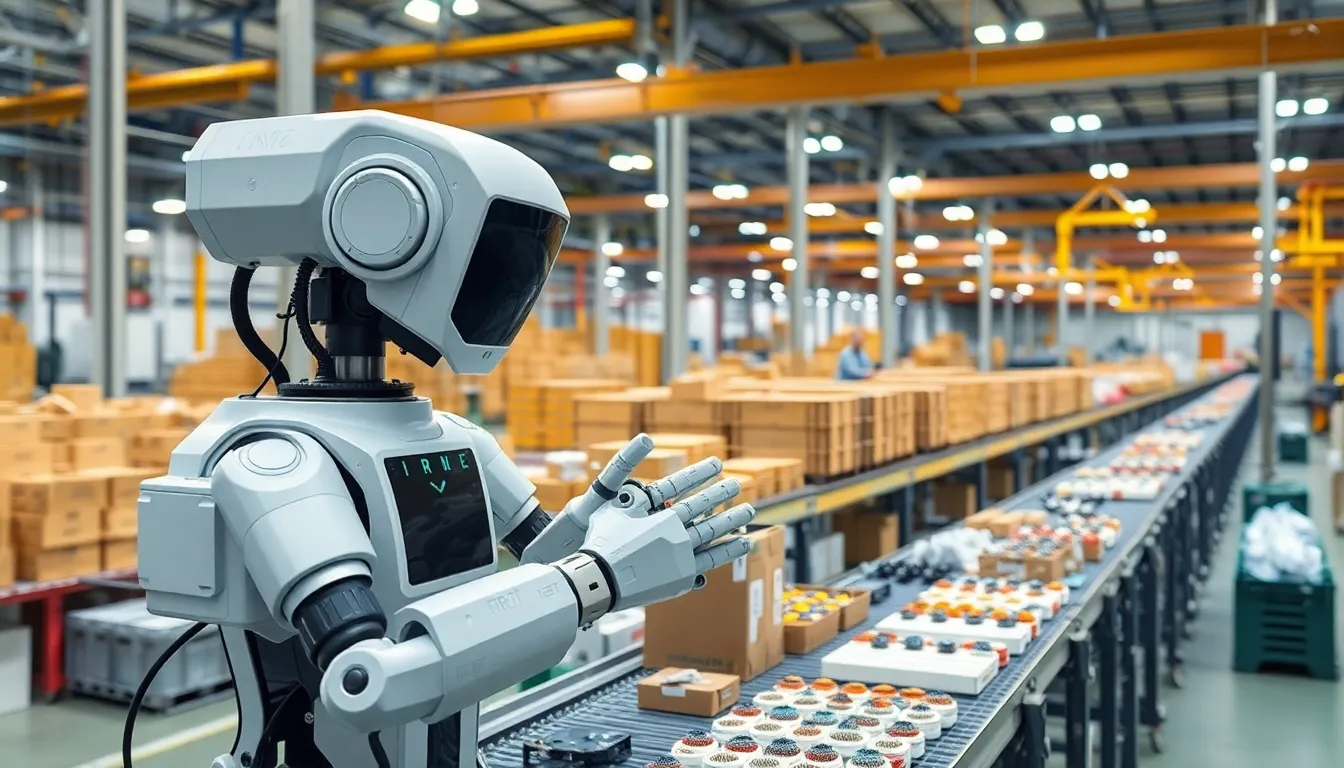
In a world overflowing with stuff, sorting robotics swoop in like superheroes, ready to tackle the chaos. Imagine a machine that sorts your laundry better than your roommate ever could—no more mismatched socks! These clever gadgets are revolutionizing industries, transforming how we handle everything from recycling to warehouse logistics.
Sorting robotics aren’t just efficient; they’re also the ultimate multitaskers. They save time, reduce errors, and maybe even keep your sanity intact. With the power of AI and machine learning, these robots are learning to sort faster than a caffeinated human on a deadline. So, if you think sorting is a mundane task, think again. It’s time to embrace the future, where robots take the wheel (or the conveyor belt) and let humans focus on the things that really matter—like finding the perfect avocado.
Sorting robotics represent a critical advancement for various industries. These systems automate the sorting of items, leading to increased efficiency and accuracy. Companies in logistics, manufacturing, and waste management leverage this technology to optimize operations.
A crucial element of sorting robotics is their reliance on artificial intelligence and machine learning. They analyze and categorize items based on size, shape, and material, minimizing human error. Their capabilities extend to tasks like sorting recyclables, which enhances sustainability efforts.
Industries experience significant transformations due to the implementation of sorting robotics. Real-time processing allows these robots to handle high volumes of items, drastically reducing sorting times. In environments where speed is essential, such as warehouses or recycling centers, their impact becomes even more pronounced.
Additionally, sorting robots facilitate labor optimization. By performing repetitive tasks, they free human workers to engage in more complex activities that require critical thinking. This shift not only boosts productivity but also enhances workplace safety by reducing the risk of injury associated with manual sorting.
Evidence shows that organizations adopting sorting robotics realize substantial cost savings. Increased output and reduced operational errors contribute to higher profit margins. As industries continue to evolve, the role of sorting robotics is set to expand, proving essential in meeting modern demands.
In the future, advancements in sensor technology and AI will further enhance the capabilities of sorting robots. Continuous improvements promise to enable more versatile and intelligent sorting processes, solidifying their position as a vital asset in diverse sectors.
Applications of Sorting Robotics
Sorting robotics play a vital role across multiple industries, driving efficiency and accuracy. Their applications can notably enhance operations in industrial automation and waste management.
Industrial Automation
Sorting robots streamline processes in manufacturing and logistics. These robots manage tasks like sorting products based on weight, size, and material, significantly reducing manual labor. A notable benefit includes the acceleration of assembly lines, where robots sort components swiftly and accurately. Flexibility is another key feature, as these systems adapt to varying production demands, ensuring consistent output. Companies that utilize sorting robotics observe substantial increases in productivity and cost-effectiveness, as the automation of sorting tasks minimizes errors and optimizes resource use.
Waste Management
In waste management, sorting robotics provide essential support for recycling efforts. Robots identify and separate recyclable materials from waste streams, improving recovery rates. Efficiency gains occur as robots sort faster than human workers, processing large volumes of materials seamlessly. The technology enhances sorting accuracy, leading to better-quality recyclables. Implementing sorting robotics also contributes to sustainability goals by reducing landfill waste. Organizations adopting these systems witness improved operational efficiency, enabling them to focus on broader environmental initiatives.
Key Technologies in Sorting Robotics
Sorting robotics rely heavily on advanced technologies that enhance their sorting capabilities. Two significant technologies include machine learning and computer vision.
Machine Learning and AI
Machine learning algorithms empower sorting robots to improve their sorting accuracy. These systems analyze vast datasets to identify patterns, allowing robots to adapt in real-time. When faced with new items, they adjust sorting criteria based on previous experiences. As the robots process more data, their sorting efficiency increases, minimizing errors. AI also plays a role in decision-making, enabling robots to execute complex sorting tasks that go beyond simple categorization. Organizations benefit from the enhanced productivity and reduced operational costs that stem from these intelligent systems.
Computer Vision
Computer vision equips sorting robots with the ability to interpret visual information from their environment. Specialized cameras capture images of items that require sorting. Subsequently, algorithms analyze these images to discern shape, size, and material composition. In processing recyclables, computer vision systems excel at identifying different materials, ensuring accurate separation during sorting. By leveraging this technology, robots enhance their efficiency and effectiveness in diverse applications. Many industries experience notable improvements in throughput rates thanks to the insights gained from computer vision systems.
Benefits of Sorting Robotics
Sorting robotics deliver numerous advantages that significantly impact various industries. Efficiency increases as these systems automate sorting tasks, drastically reducing the time required to categorize items. In logistics, robots speed up warehouse operations, leading to quicker order fulfillment.
Enhanced accuracy is another major benefit. Robots minimize human error through the precise analysis of items based on specific attributes like size, shape, and material. As a result, sorting errors decrease, which improves overall operational quality.
Labor optimization plays a vital role in maximizing productivity. By taking over repetitive sorting tasks, robots free human workers to focus on more complex duties, enhancing job satisfaction and overall workplace safety. Engagement in higher-order activities elevates the value of the workforce.
Organizations adopting sorting robotics experience substantial cost savings. Increased output coupled with lower operational errors translates to a healthier bottom line. For example, warehouses report up to 50% reductions in sorting times, showcasing the effectiveness of these systems.
Sustainability also benefits from the deployment of sorting robotics. In waste management, efficient separation of recyclable materials enhances recovery rates, aligning with global sustainability goals. Enhanced recycling leads to less waste in landfills and promotes a greener planet.
Moreover, advanced technologies like machine learning and computer vision boost sorting capabilities. Machine learning algorithms analyze vast datasets to refine sorting accuracy continuously. Meanwhile, computer vision enables the robots to interpret visual data effectively, further enhancing their sorting precision.
As industries evolve, sorting robotics will broaden their applications, driven by advancements in technology. These innovations promise to make sorting processes even more intelligent and versatile, solidifying their importance across diverse sectors.
Challenges in Sorting Robotics
Sorting robotics face several challenges that impact their effectiveness and adoption across industries. One major challenge involves adapting to varying item types. Robots often struggle with diverse shapes and materials that require specific sorting techniques.
Another concern relates to the complexity of integrating sorting systems with existing infrastructure. Company operations may have different workflows, resulting in compatibility issues. Organizations frequently encounter these integration difficulties, leading to delays and increased costs.
Cost of implementation is also a significant hurdle. Initial investments in advanced robotics technology can be substantial, deterring smaller businesses. While larger enterprises may absorb these costs more easily, the financial burden remains a significant factor for widespread adoption.
Data variability poses additional challenges. Robots rely on machine learning algorithms that require extensive training data to recognize and sort items accurately. When faced with new or unpredictable items, sorting accuracy can decline, highlighting the need for ongoing training.
Furthermore, maintenance and technical support are vital for operational efficiency. Organizations must ensure that sorting robots receive regular upkeep to avoid unexpected downtime. This necessitates skilled personnel capable of managing and troubleshooting the technology, which can add to operational complexity.
Lastly, regulatory compliance complicates matters, particularly in waste management. Sorting robotics must adhere to safety and environmental regulations that vary by region. Companies often need to navigate these requirements, which can be time-consuming and resource-intensive.
Addressing these challenges is essential as industries increasingly rely on sorting robotics. Continuous advancements in technology and better integration solutions are expected to enhance performance and overcome existing obstacles in the sorting process.
Future Trends in Sorting Robotics
Advancements in artificial intelligence will shape the future of sorting robotics significantly. Enhanced algorithms provide robots with improved accuracy and efficiency, optimizing sorting processes across various industries. Companies increasingly integrate AI-driven solutions, which enable real-time adjustments and decision-making based on its environment.
Collaborative robots will emerge as a dominant trend in sorting operations. These robots work alongside human workers, improving productivity and maintaining workplace safety. Additionally, the rise of robots with advanced sensory capabilities allows for the detailed identification of sorting requirements, leading to more effective recycling initiatives and better resource management.
Growing sustainability concerns push organizations to adopt sorting robotics that excel in waste management. Integration of smart systems enhances recycling efforts by increasing recovery rates of materials, which supports environmental initiatives. The focus on eco-friendly solutions is expected to drive the development of sorting technologies that minimize waste.
Cost reductions in robotic systems will also promote wider accessibility. As manufacturers streamline production processes, robots become more affordable for small and medium-sized businesses. Economies of scale will emerge, making automation more appealing across various sectors.
Cloud-based technologies enhance data accessibility and processing power, allowing for better performance monitoring of sorting robotics. Organizations will leverage cloud solutions to analyze sorting data, enabling predictive maintenance and reducing downtime. Improving operational efficiency becomes paramount as industries continue to streamline their processes.
The future of sorting robotics centers on AI advancements, collaboration with human workers, and increased sustainability focus. Integration of smart technologies combined with cost reductions signals a new era for wide-ranging applications across diverse industries.
Conclusion
Sorting robotics are revolutionizing various industries by enhancing efficiency and accuracy in item management. Their ability to automate repetitive tasks allows human workers to focus on more complex responsibilities, thus improving overall productivity. As technology continues to advance, these robots will become even more capable of adapting to diverse sorting challenges.
The ongoing integration of AI and machine learning will further refine their performance, driving innovations in sustainability and operational efficiency. With the potential for significant cost savings and improved recycling processes, sorting robotics are set to play a crucial role in shaping the future of logistics, manufacturing, and waste management. Embracing these technologies will be essential for organizations aiming to thrive in an increasingly automated world.