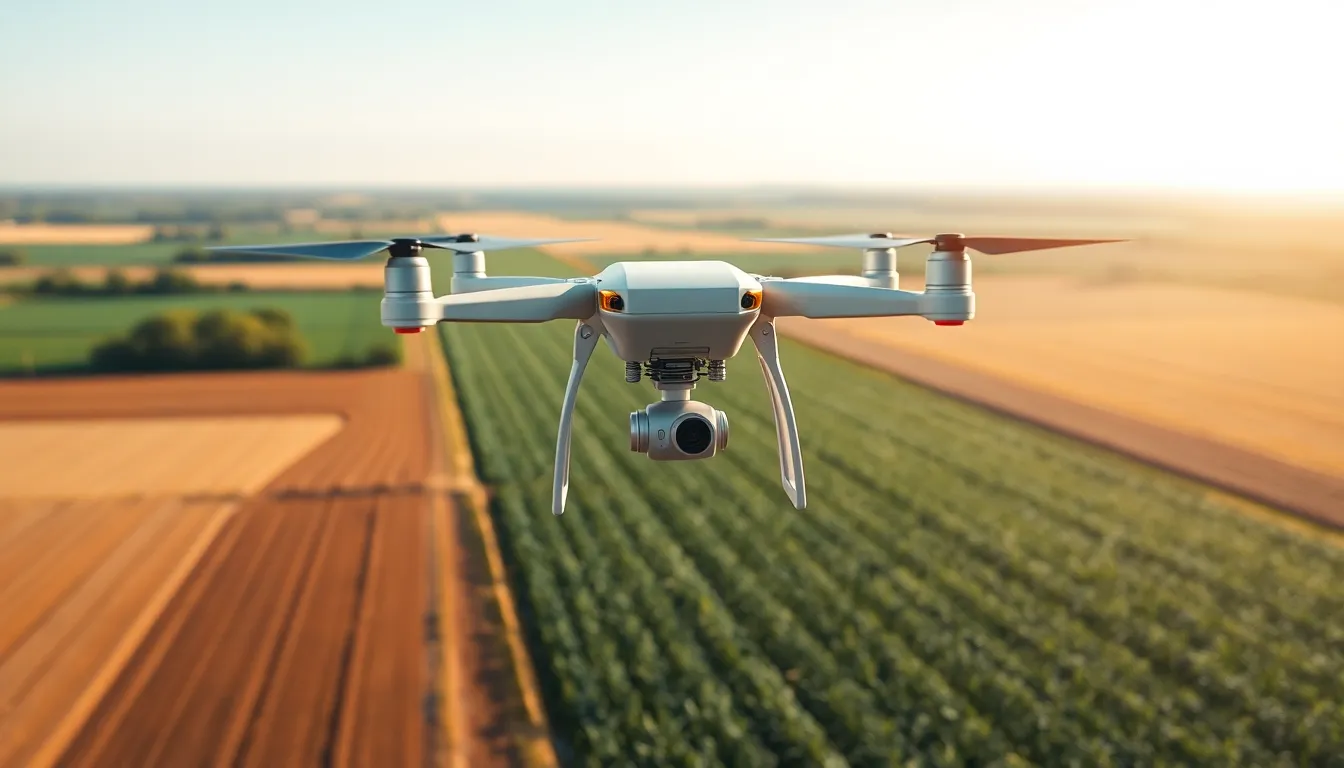
In a world where drones are the new delivery boys and robots are taking over the mundane tasks of life, flyby robotics is soaring to new heights. Imagine a future where your robotic companion zips around, handling everything from inspections to entertainment, all while you kick back and relax. Sounds like a sci-fi dream, right? Well, it’s becoming a reality faster than you can say “robot revolution.”
Flyby Robotics stands at the forefront of integrating aerospace technology into everyday applications. Specialized in deploying drones, this company focuses on enabling autonomous operations to perform tasks across various sectors. Their drones excel in areas like agriculture, infrastructure inspection, and emergency response.
Advanced features differentiate Flyby Robotics’ offerings from traditional drones. Each model incorporates high-resolution cameras, thermal imaging, and sophisticated AI algorithms. These enhancements provide accurate data collection and decision-making capabilities in real-time.
Utilization of Flyby Robotics has significantly impacted industries. Agriculture benefits from precision farming, allowing farmers to monitor crop health efficiently. Infrastructure sectors see improvements in inspection processes, where drones can access difficult-to-reach areas without risking human safety. Emergency responders utilize drone technology for rapid reconnaissance, particularly in disaster situations.
Flyby Robotics emphasizes safety and compliance in all operations. Each drone adheres to legal regulations and standards, ensuring secure flights in shared airspace. Training programs support operators in understanding protocols and maximizing drone utility.
Due to their commitment to innovation, continuous upgrades are part of Flyby Robotics’ mission. Research drives development in enhanced battery life and expanded payload capacity, ensuring that their drones meet evolving market demands. As advancements occur, expectations for improved performance and functionality grow.
Flyby Robotics leverages technology to enhance various applications, demonstrating a profound impact on both industry and daily life. Their contributions signify a critical step in the ongoing robotics evolution, aligning with the broader trends of the robot revolution.
Key Technologies in Flyby Robotics
Flyby Robotics employs cutting-edge technologies to enhance the effectiveness of its autonomous drones. These innovations facilitate improved functionality across various applications.
Autonomous Navigation
Autonomous navigation proves essential for the operations of Flyby Robotics’ drones. Utilizing advanced algorithms, these drones can navigate complex environments without human intervention. GPS technology aids in real-time positioning, enabling drones to follow pre-defined flight paths accurately. Several onboard sensors work in tandem, helping to detect obstacles and adjust routes automatically. This capability significantly enhances operational efficiency while reducing the risk of collisions. Drones equipped with autonomous navigation features excel in sectors such as agriculture and infrastructure inspection, performing tasks that require precision and minimal human supervision.
Sensor Integration
Sensor integration represents another critical technology within Flyby Robotics’ drones. High-resolution cameras capture detailed images and video, facilitating data collection across various fields. Thermal imaging sensors deliver insights into temperature variations, proving beneficial for agricultural monitoring and equipment inspections. Additionally, LIDAR technology allows for precise mapping and modeling of landscapes. Combining these sensors enables drones to conduct thorough analyses in real time. Real-time data collection further enhances decision-making processes, making operations faster and more reliable. This integration of sensors not only improves operational capabilities but also aligns with Flyby Robotics’ commitment to innovation and safety.
Applications of Flyby Robotics
Flyby Robotics plays a vital role in various industries, utilizing autonomous drones for practical applications that enhance efficiency and safety.
Space Exploration
In the realm of space exploration, Flyby Robotics provides innovative solutions that aid in mission planning and remote monitoring. Drones equipped with specialized cameras assist scientists in surveying remote terrains, offering real-time data that informs exploration strategies. Advanced imaging capabilities allow for precise mapping of celestial bodies, ensuring that missions are executed with greater accuracy. Resource management also benefits, as drones can assess environmental conditions to optimize logistics for space missions.
Agricultural Monitoring
Agricultural monitoring stands as a significant application area for Flyby Robotics. Drones conduct aerial surveys that track crop health, soil variability, and irrigation needs. High-resolution imaging enables farmers to identify areas requiring attention, leading to informed decision-making that boosts yields. With thermal imaging, checking for irrigation gaps becomes straightforward, enhancing resource efficiency. Farmers receive timely data, resulting in more effective interventions and streamlined operations.
Disaster Response
Disaster response operations leverage the capabilities of Flyby Robotics to improve efficiency during emergencies. Drones provide aerial assessments of affected areas, delivering essential information that aids first responders. High-resolution imagery helps in identifying infrastructure damage, while thermal imaging capabilities assist in locating survivors. Timely data collection during crises enhances situational awareness, allowing emergency teams to allocate resources effectively. Quick deployment of these drones significantly reduces response times, ultimately saving lives.
Advantages of Flyby Robotics
Flyby Robotics offers several advantages through its innovative use of autonomous drones. Precision farming benefits from enhanced data accuracy, allowing farmers to monitor crop health more effectively. Drones equipped with high-resolution cameras and thermal imaging can identify problems early, reducing resource waste.
In infrastructure inspection, safety improves through reduced human risk. Autonomous drones can access hard-to-reach areas, ensuring thorough evaluations while keeping workers out of danger. This capability promotes compliance with safety regulations, aligning with industry standards.
Emergency response scenarios see significant improvements as well. Drones provide real-time aerial assessments, delivering essential information to first responders during crises. Faster response times mean lives saved, demonstrating the vital role of Flyby Robotics in critical situations.
Cost efficiency becomes evident with automated operations. Drones reduce the need for manned aircraft or extensive ground crews, resulting in lower operational expenses. Investing in Flyby Robotics technology can lead to a notable decrease in long-term costs.
Scalability also plays a crucial role. The technology’s adaptability allows for expansion in various sectors, from agriculture to disaster management. As businesses grow, they can easily integrate Flyby Robotics solutions to meet increasing demands.
Additionally, ongoing innovation ensures improved battery life and payload capacities. These advancements enhance drone capabilities, allowing for longer flight durations and more substantial data collection. The commitment to technology advancement positions Flyby Robotics as a leader in the field.
Overall, the integration of Flyby Robotics into daily operations enhances efficiency, safety, and productivity across multiple industries.
Challenges and Limitations
Flyby Robotics faces several challenges in the realm of autonomous drones. Regulatory hurdles pose significant obstacles, as airspace regulations can vary greatly by region. Compliance requires navigating complex legal frameworks that may delay operations or limit functionality.
Technical limitations also affect performance capabilities. Battery life remains a critical issue; current technologies only allow for limited flight durations. Extended missions often necessitate frequent recharging or rely on additional battery packs, which can impede efficiency.
Communication between drones and ground control can experience interruptions. Signal loss may occur in remote or densely populated areas, leading to potential mission failures. Enhancing communication protocols is vital for reliability and safety.
Environmental factors present another challenge. Weather conditions such as high winds, rain, or snow can disrupt drone operations. Ensuring drones can operate safely in various climates adds to design complexities and operational risks.
Integration into existing infrastructures proves difficult. Many industries lack the necessary technological support to adopt drone technology seamlessly. Transitioning requires significant investments in both equipment and staff training.
Cost considerations represent an additional barrier. While autonomous drones offer potential savings, initial investments may be prohibitive for smaller businesses. Managing operational expenses while ensuring top-notch performance remains critical.
Cybersecurity risks grow with increasing reliance on autonomous systems. Protecting sensitive data from hacking attempts poses a constant challenge. Implementing robust security protocols is essential for protecting both operational integrity and user trust.
Future Trends in Flyby Robotics
Automation continues to reshape industries, and Flyby Robotics is at the forefront of this transformation. Emerging advancements in sensor technology promise to enhance drone capabilities. High-resolution cameras and LIDAR technology will become more sophisticated, enabling drones to provide even more accurate data.
Integration with AI algorithms stands to revolutionize decision-making processes in real-time. Businesses can leverage these enhancements for improved operational efficiency, particularly in agriculture and infrastructure sectors. Remote sensing applications are also set to expand, allowing for better monitoring and management of resources.
Scalability of drone applications presents ample opportunities for various industries. Adaptable drones will find roles in environmental monitoring, wildlife conservation, and urban planning. These applications will drive demand for autonomous solutions across different sectors.
Collaboration with regulatory bodies will play a crucial role in the growth of Flyby Robotics. Navigating airspace regulations will need ongoing dialogue between industry leaders and policymakers to ensure compliance while fostering innovation.
Sustainability trends are influencing future developments as well. Flyby Robotics can align drone deployment with eco-friendly practices, such as precision agriculture, which minimizes resource waste. Optimizing battery life and exploring alternative energy sources can further reduce the environmental impact of drone operations.
Training programs will evolve alongside technology, equipping operators with the skills to manage advanced autonomous systems. Increased focus on cybersecurity will ensure safe data handling as companies adopt drone technology more widely. These trends highlight the forward momentum of Flyby Robotics in the ever-evolving landscape of automated solutions.
Conclusion
Flyby Robotics is at the forefront of the robotic revolution, driving significant changes across various industries. Their innovative use of autonomous drones not only enhances operational efficiency but also prioritizes safety and compliance. As technology continues to evolve, Flyby Robotics is well-positioned to tackle challenges while expanding its impact in agriculture, infrastructure, and emergency response.
The future of autonomous drones looks promising, with advancements in AI and sensor technology paving the way for even greater capabilities. By focusing on sustainability and collaboration, Flyby Robotics is set to redefine how industries operate, ensuring that the benefits of robotics are accessible and effective for all.