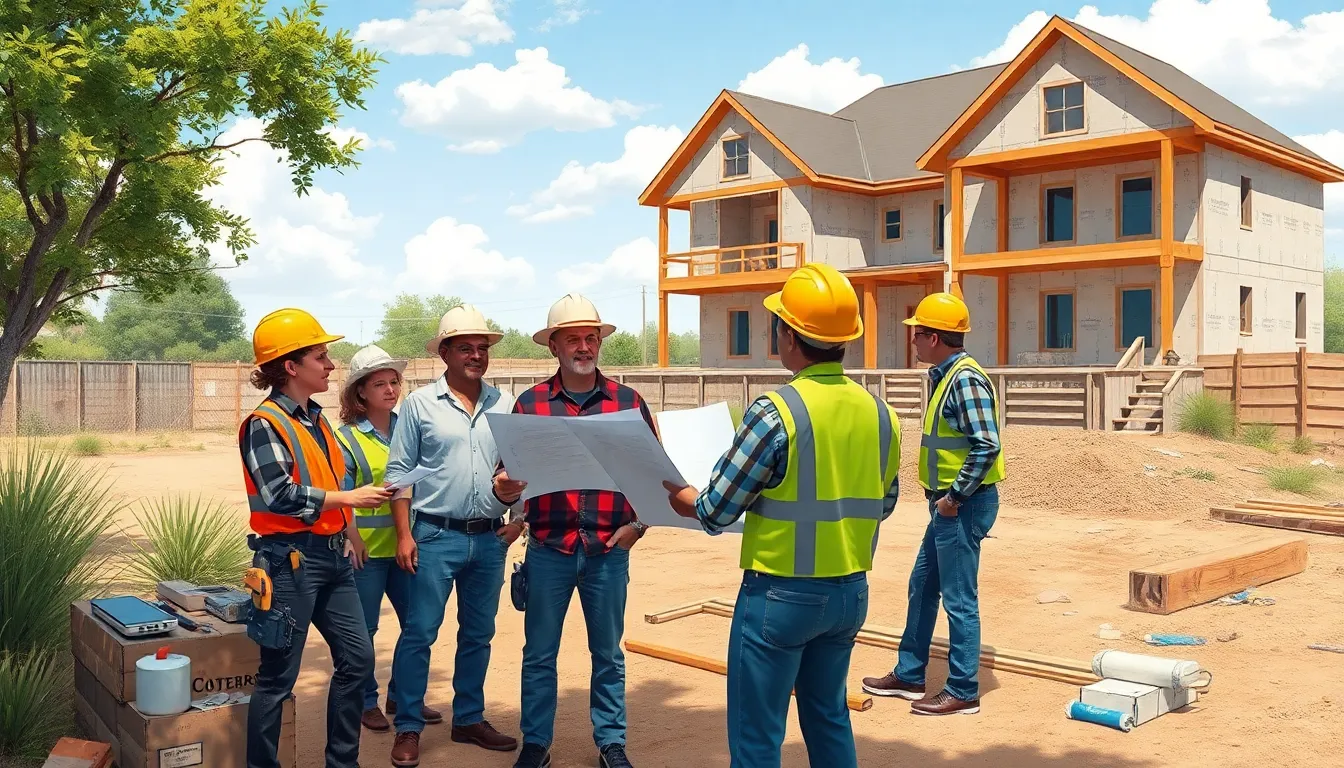
In the wild world of construction and real estate, getting paid can sometimes feel like chasing a mirage in the Texas desert. Enter the mechanic’s lien—a powerful tool that gives contractors and suppliers a fighting chance to secure their hard-earned cash. It’s like a superhero cape for those who build and renovate, swooping in to protect their interests when payment disputes arise.
Mechanics lien serves as a crucial legal instrument for contractors, subcontractors, and suppliers in Texas. This lien creates a security interest in the property, ensuring they receive payment for services and materials provided. To file a mechanics lien in Texas, interested parties must adhere to strict timelines and procedures outlined in the Texas Property Code.
First, a notice of intent to file a lien must be delivered to the property owner, typically requiring a minimum of 10 days’ notice. Following this notice, those involved have a 120-day deadline from the last day of work or delivery of materials to submit the lien. Filing must occur with the county clerk where the property lies, ensuring proper jurisdiction.
The essential elements of a mechanics lien in Texas include the property description, the name and address of the claimant, and the unpaid amount. Documentation supporting the claim strengthens the position of the filer. Failure to adhere to the required notice and filing procedures can result in the loss of lien rights.
After filing, the property owner receives a copy of the lien, which creates a cloud on the property title. This cloud can hinder the owner’s ability to sell or refinance the property until the lien is resolved. Claimants may need to enforce the lien through a judicial process if payment remains unpaid, which involves filing a lawsuit to secure enforcement of their rights.
Understanding the intricacies of mechanics lien in Texas empowers contractors, subcontractors, and suppliers, providing them with a necessary tool to ensure payment within the construction and real estate sectors.
Eligibility Criteria for Mechanics Lien
Mechanics liens in Texas require specific eligibility criteria to ensure proper filing. Understanding these criteria aids in securing payment rights.
Property Owners
Property owners must hold the title to the property for a mechanics lien to be applicable. They should be aware that unpaid bills for labor or materials may lead to a lien. Additionally, property owners need to receive a notice of intent from the claimant before filing occurs. If they made improvements to the property or hired someone for construction, they could become liable. They must also recognize that unresolved liens can impact their ability to refinance or sell the property.
Contractors and Subcontractors
Contractors and subcontractors can file a mechanics lien in Texas if they provide labor or materials for a project. They must comply with the specific timelines outlined in Texas law, such as delivering a notice of intent. Eligibility requires that the services provided were under a proper contract or agreement. If a contractor or subcontractor has not received payment, they can secure their interests by filing within 120 days after the last provision of materials or services. Compliance with all procedural requirements is essential for the lien’s validity.
Filing a Mechanics Lien in Texas
Filing a mechanics lien in Texas requires specific steps and documentation. This legal process serves as a protective measure for contractors and suppliers seeking payment.
Required Documentation
Essential documentation includes the lien application, a detailed description of the property, and information about the claimant. Claimants must also include a statement of the debt owed. These documents must be accurate and complete. Providing all required elements helps prevent delays in the filing process, ensuring the lien is valid.
Submission Process
The submission process begins with notifying the property owner of the intent to file a lien. This notification must occur at least 10 days before the lien submission. Completed forms must be filed with the county clerk where the property is located. Timeliness remains crucial; claimants must complete the filing within 120 days from the last day of providing labor or materials. Adhering to these guidelines maintains the legal standing of the lien.
Enforcement of Mechanics Lien
Enforcing a mechanics lien in Texas involves navigating specific legal procedures to secure payment for services rendered. Understanding these processes ensures effectiveness in resolving payment disputes.
Legal Proceedings
Legal proceedings may commence if the property owner does not respond to the mechanics lien. The claimant often files a lawsuit in the appropriate district court within one year from the date of filing the lien. Courts typically require documentation proving the validity of the lien, such as the notice of intent and a detailed property description. These proceedings can lead to a court judgment requiring payment, placing additional pressure on the property owner to settle outstanding debts. Evidence may also include communications and contracts that reinforce the claimant’s position. Successful litigation often results in the claimant recovering legal expenses alongside the lien amount.
Release of Lien
Releasing a mechanics lien confirms the resolution of payment issues and restores clear title to the property. Once a debt is settled, the claimant must file a release with the county clerk’s office to remove the lien from public records. This document must include details such as the original lien and property description. Timeliness in filing this release is crucial to prevent potential disputes from lingering. Property owners may also request a release if they provide adequate proof of settlement. A clear title enhances the property’s marketability, supporting further transactions without encumbrances.
Common Mistakes to Avoid
Filing a mechanics lien in Texas comes with specific requirements. Failing to deliver a notice of intent can lead to invalidation. Understand that contractors and subcontractors must provide this notice at least 10 days before filing. Not completing the filing within the 120-day window from the last day of providing labor or materials may also cause complications.
Accuracy in documentation remains crucial for effective lien filing. Omitting important details, such as a detailed property description or complete claimant information, could result in delays. Ensure that the debt statement accurately reflects the amounts owed to avoid disputes.
Another mistake includes insufficient communication with property owners. Transparency regarding unpaid bills and the mechanics lien process minimizes confusion. Property owners need to understand the potential for a lien before it is filed to foster communication.
Ignoring the necessity of filing with the correct county clerk can create additional setbacks. Each mechanics lien must be submitted to the county where the property resides to achieve legal standing.
Additionally, neglecting to follow through after filing may impede collection efforts. Claimants must be prepared to initiate legal proceedings within one year if the property owner does not respond. Documenting the lien’s validity provides essential support during litigation.
Always ensure timely release of the lien once issues resolve. Delaying submission of the release to the county clerk’s office can prolong disputes. A clear title enhances property marketability, paving the way for smoother transactions.
Conclusion
Understanding the mechanics lien process in Texas is essential for contractors and suppliers aiming to secure their payment rights. By adhering to the strict timelines and requirements for filing, they can protect their interests effectively. Clear communication with property owners and meticulous attention to documentation are key steps in avoiding common pitfalls.
Once a lien is filed, it serves as a powerful tool, but it’s equally important to know how to enforce and release it once payment issues are resolved. By following these guidelines, stakeholders can navigate the complexities of the construction and real estate industries with greater confidence, ensuring their hard work doesn’t go uncompensated.