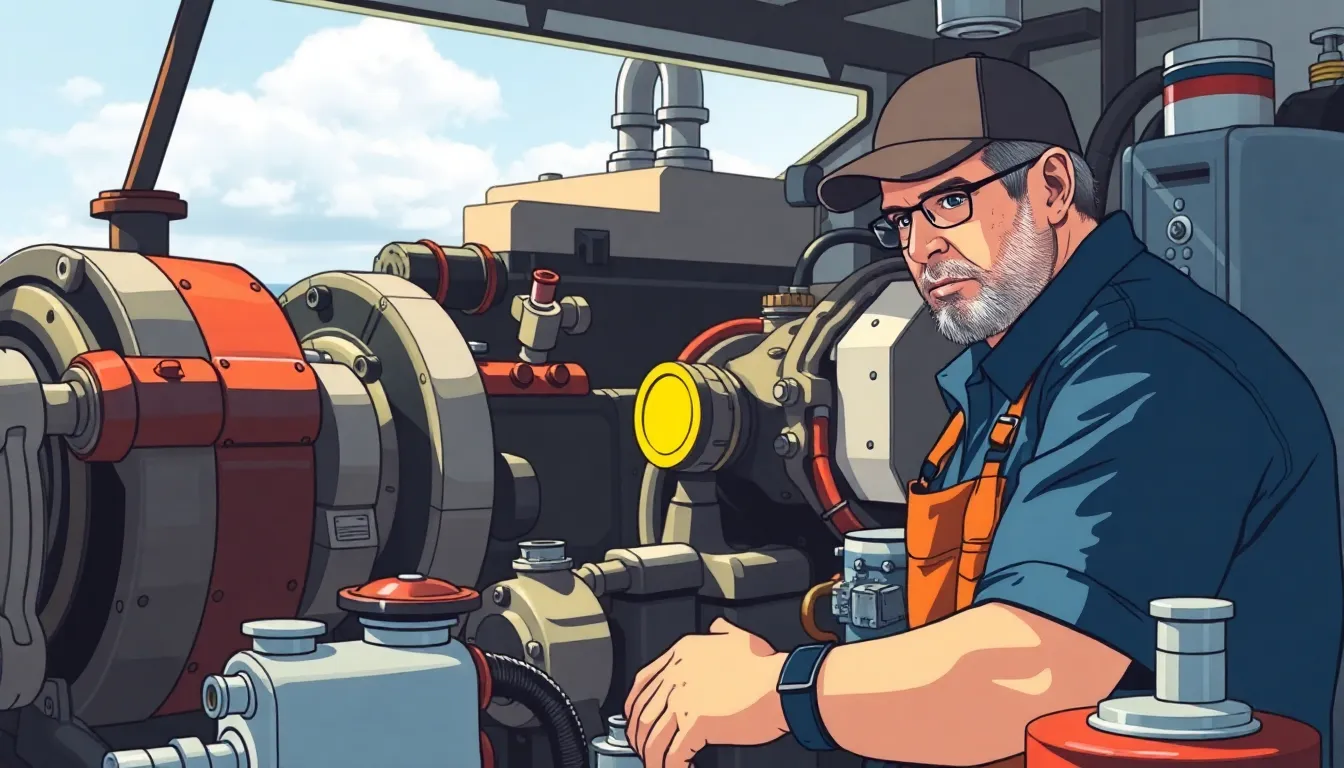
When it comes to keeping boats afloat and engines humming, marine mechanics are the unsung heroes of the water. Picture this: a sunny day, the wind in your hair, and the sound of waves lapping against the hull. Suddenly, the engine sputters and dies—cue the panic! That’s where skilled marine mechanics dive in, turning chaos into calm with their expertise.
Marine mechanics involves the maintenance and repair of marine vessels, focusing primarily on engines. Skilled technicians possess in-depth knowledge of various marine systems, ensuring boats operate efficiently under various conditions. These professionals tackle engine issues, troubleshooting components such as fuel systems, electrical systems, and propulsion systems.
Institutions recognize the importance of formal training for aspiring marine mechanics. Technical schools and community colleges offer programs that cover fundamental principles and hands-on experience, enhancing skills from diagnostics to repairs. Certifications from recognized organizations bolster a marine mechanic’s credibility, showcasing their expertise to potential clients.
Tools play a vital role in the work of marine mechanics. Quality tools and diagnostic equipment facilitate accurate assessments and repairs. Mechanics use specialized instruments such as multimeters and compression testers to analyze engine performance and pinpoint issues quickly.
Marine mechanics also emphasize preventive maintenance. Routine checks can help identify potential problems, allowing for timely repairs before they escalate. Regular maintenance tasks include oil changes, filter replacements, and inspecting belts and hoses.
Local marinas and workshops often serve as hubs for marine mechanics, connecting them to a diverse clientele. Boaters rely on these professionals for seasonal check-ups and emergency repairs. Building lasting relationships between mechanics and boat owners fosters trust and ensures reliability when crises arise.
Technological advancements continually shape the field of marine mechanics. Newer engine technologies require ongoing education and adaptability from mechanics. Staying current with industry trends and advances ensures that marine mechanics remain effective and efficient in their work.
Key Components of Marine Mechanics
Marine mechanics focus on various crucial components ensuring vessel performance and safety.
Engines and Propulsion Systems
Engines drive boats, making them fundamental to marine mechanics. These systems require regular inspection for optimal performance. Gasoline and diesel engines are common, each demanding specific maintenance techniques. Propulsion systems also include components like shafts and propellers, which necessitate precise alignment and care. Regular checks help prevent failures and enhance fuel efficiency. Mechanics often use diagnostic tools to troubleshoot engine issues, pinpointing malfunctions quickly. Understanding engine specifications is essential for repairs and upgrades, ensuring vessels operate efficiently.
Electrical Systems
Electrical systems power navigation, communication, and lighting in marine vessels. Batteries, wiring, and power distribution must function flawlessly for safety and reliability. Electrical malfunctions can drastically impact operations, making routine inspections vital. Mechanics check for corrosion and wear on connections, as these can lead to failures. Proper knowledge of electrical schematics aids in diagnosing and resolving issues efficiently. Upgrading systems can enhance performance, adding features like advanced navigation technologies. Training in electrical systems is integral for marine mechanics to stay current with industry innovations.
Hull and Structural Mechanics
Hull integrity ensures a vessel’s safety and seaworthiness. Mechanics inspect for signs of wear, including cracks and blisters, which can compromise structural integrity. Understanding materials like fiberglass and aluminum is crucial during repairs and maintenance. Regular checks prevent water ingress and subsequent damage to vital systems. Additionally, applying anti-fouling coatings can extend the hull’s lifespan by preventing marine growth. Maintenance of through-hull fittings and transom structures also plays a significant role in overall vessel health. Knowledge of construction techniques assists mechanics in providing high-quality repairs.
Importance of Marine Mechanics
Marine mechanics play a pivotal role in maintaining the safety and functionality of vessels. These skilled professionals ensure that boats operate smoothly and adhere to maritime regulations.
Safety and Regulation Compliance
Safety remains a top priority for marine mechanics. They inspect critical components like engines and electrical systems to prevent failures that could lead to accidents. Compliance with safety regulations is essential for protecting both lives and property. The US Coast Guard provides guidelines that mechanics follow to ensure vessels meet safety standards. Regular inspections and necessary repairs help boaters avoid fines and enhance overall safety while on the water. Knowledge of regulations enables marine mechanics to advise boat owners on best practices for safe operation.
Efficiency and Performance Enhancement
Enhancing efficiency is another key function of marine mechanics. Proper maintenance of engines and propulsion systems leads to better fuel efficiency and improved performance. Mechanics regularly calibrate these systems to ensure optimal operation. It’s crucial for mechanical adjustments to keep vessels at peak performance, thus enhancing reliability during trips. Boaters benefit from improved speed and reduced fuel costs through regular maintenance and timely repairs. Staying updated with technological advancements also enables marine mechanics to implement innovative solutions for performance enhancement.
Challenges in Marine Mechanics
Marine mechanics face significant challenges that impact their work and the marine environment. Addressing these challenges requires skill, adaptability, and knowledge.
Environmental Impact
Marine mechanics must contend with the environmental impact of vessel operations and repairs. Oil spills, fuel leaks, and waste disposal present serious issues for marine ecosystems. Conserving resources through effective waste management is crucial. Utilizing eco-friendly materials for repairs can help reduce pollutants. Compliance with environmental regulations, such as those outlined by the Environmental Protection Agency, ensures practices minimize harm to aquatic life. By promoting environmentally conscious maintenance, marine mechanics contribute to the sustainability of marine environments.
Technological Advancements
Technological advancements continuously reshape marine mechanics’ field. New engine designs and electronic systems demand ongoing education and training. Staying current with innovations such as hybrid and electric propulsion systems is essential. Mechanics often adopt advanced diagnostic tools to identify issues quickly and accurately. Enhanced materials, such as lightweight composites, influence construction and repair methods. Embracing these technological developments improves efficiency and safety in marine operations. Keeping pace with technological change ensures that marine mechanics can provide the best service to boaters and the marine sector.
Conclusion
Marine mechanics play an indispensable role in the boating community by ensuring vessels operate safely and efficiently. Their expertise not only enhances performance but also safeguards the environment through responsible practices. As technology continues to evolve marine mechanics must remain adaptable and informed to meet the changing needs of boaters. By prioritizing preventive maintenance and staying compliant with regulations they contribute to safer and more sustainable marine operations. The future of marine mechanics looks promising as they embrace innovation while maintaining the highest standards of service.