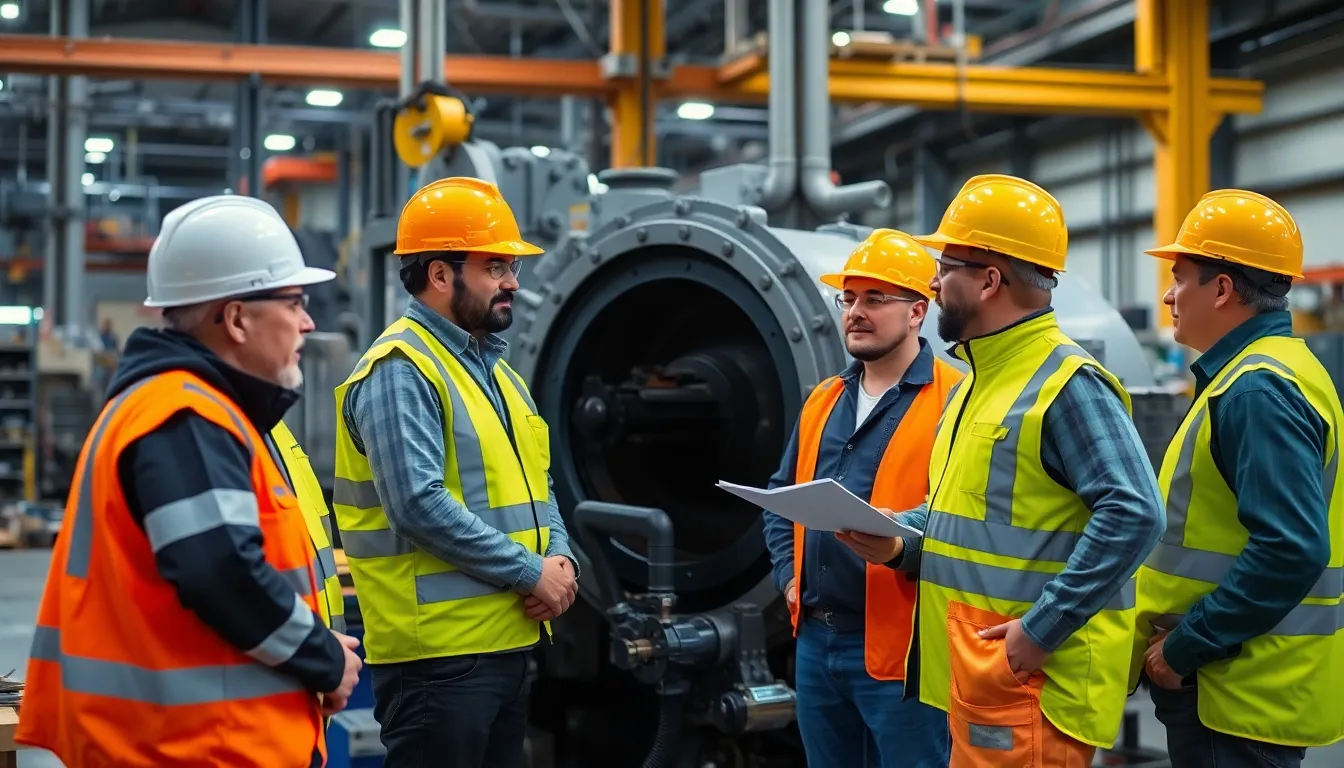
In the bustling world of manufacturing, industrial mechanics are the unsung heroes, keeping the gears of industry turning smoothly. Imagine a world where machines throw tantrums like toddlers—chaos, right? Thankfully, skilled industrial mechanics swoop in to save the day, armed with tools and a knack for problem-solving that would make even Sherlock Holmes proud.
These professionals don’t just fix machines; they breathe life into them. From diagnosing issues to performing maintenance, they ensure that production lines run like a well-oiled machine—pun intended. As industries evolve with technology, the demand for industrial mechanics is skyrocketing, making it a hot career choice. So, buckle up and dive into the fascinating realm of industrial mechanics, where every day is a new adventure filled with challenges, innovation, and maybe a few grease stains.
Industrial mechanics play a critical role in maintaining the functionality of machinery within the manufacturing sector. Their expertise ensures continuous production flow, directly impacting efficiency and productivity.
Definition and Scope
Industrial mechanics encompass the maintenance, repair, and troubleshooting of machinery used in industrial settings. These professionals work with various equipment, including conveyors, pumps, and presses. Skills required include understanding mechanical systems, electronics, and hydraulics. Knowledge of safety regulations and industry standards also proves crucial. Responsibilities may involve routine maintenance tasks, emergency repairs, and system upgrades. Each task performed enhances operational reliability, enabling manufacturers to meet production demands.
Importance in Modern Industry
The relevance of industrial mechanics in contemporary industries cannot be overstated. These professionals ensure that machinery operates efficiently and reduces downtime. A well-maintained system leads to higher productivity and cost savings. It supports the adoption of advanced technologies, facilitating innovations that drive competitive advantages. Demand for skilled industrial mechanics continues to rise, driven by the need for specialized knowledge in automated systems and robotics. Companies that invest in proper maintenance practices benefit from increased output and reduced operational risks.
Key Principles of Industrial Mechanics
Understanding the core principles of industrial mechanics is essential for optimizing machinery and enhancing production efficiency.
Mechanics of Materials
Mechanics of materials focuses on the behavior of solid objects when subjected to stress and strain. This area emphasizes the analysis of strength, elasticity, and deformation. Engineers apply these principles to ensure that machinery components withstand operational loads. Knowledge about material properties, such as tensile strength and fatigue resistance, plays a pivotal role in equipment design and selection. For example, selecting materials that can endure high temperatures prevents premature equipment failure. Mechanics of materials directly influences the reliability of various industrial applications, impacting overall productivity.
Dynamics and Kinematics
Dynamics and kinematics explore motion and forces affecting machinery components. Understanding these concepts allows industrial mechanics to analyze the movement of systems and predict their behavior under different conditions. Dynamics considers forces and torques, while kinematics focuses on the motion path and speed of components. Professionals apply this knowledge when designing gear systems and conveyor belts. Mastering dynamics and kinematics leads to more efficient machinery operation, reducing energy consumption. Therefore, these principles enhance system performance and support smoother production processes across diverse industrial settings.
Applications of Industrial Mechanics
Industrial mechanics play a pivotal role in various sectors, especially manufacturing and maintenance. Their expertise enhances operational efficiency and drives productivity.
Manufacturing Processes
Industrial mechanics are integral to manufacturing processes. They ensure machinery operates smoothly in production lines. Specific tasks include installing and calibrating equipment, which directly impacts output quality. Their knowledge of machinery dynamics helps optimize performance, reducing cycle times. They troubleshoot issues swiftly to minimize production delays. Familiarity with various manufacturing technologies—like CNC machines and robotic systems—enables mechanics to adapt to diverse environments.
Maintenance and Repair
Maintenance and repair duties define the essence of industrial mechanics. Regular inspections prevent equipment failures and ensure reliability. They diagnose mechanical problems efficiently, reducing downtime and associated costs. Servicing pumps, conveyors, and automation systems requires a deep understanding of mechanical principles. Mechanics apply their skills to implement preventive maintenance strategies, prolonging equipment lifespan. Performing repairs promptly saves businesses significant resources and enhances overall workflow.
Tools and Equipment in Industrial Mechanics
Industrial mechanics utilize a wide range of tools and equipment to ensure optimal machinery performance and system reliability. They rely on both essential hand tools and advanced machinery that support their maintenance and repair tasks.
Essential Hand Tools
Wrenches, screwdrivers, and pliers form the backbone of essential hand tools used in industrial mechanics. These tools allow for precise adjustments and repairs on various machinery components. Hammer, tape measures, and utility knives are also common among industrial mechanics, facilitating installations and inspections. Torque wrenches are crucial for ensuring fasteners are tightened to specified requirements, preventing equipment malfunction. Mechanics often carry toolkits, which provide quick access to necessary hand tools for efficient troubleshooting. Clear understanding of these tools enables mechanics to perform repairs accurately, ensuring a seamless workflow in manufacturing processes.
Advanced Machinery and Technology
Advanced machinery plays a pivotal role in modern industrial mechanics. CNC machines, robotic systems, and conveyor belts enhance production efficiency and accuracy on the shop floor. These technologies automate processes, allowing mechanics to focus on more complex tasks. Laser cutters and 3D printers also find applications in industrial settings, enabling rapid prototyping and manufacturing. Industrial mechanics must stay updated on these advancements to adapt quickly to changing environments. Additionally, computerized maintenance management systems streamline maintenance schedules and diagnostics, further enhancing productivity. As such, embracing advanced technologies equips mechanics with the tools necessary to tackle the challenges of today’s manufacturing landscape efficiently.
Career Opportunities in Industrial Mechanics
Industrial mechanics offer diverse career opportunities in the manufacturing sector. They engage in a range of tasks that ensure machinery operates efficiently.
Job Roles and Responsibilities
Industrial mechanics perform various job roles, including maintenance technician, equipment installer, and repair specialist. Each role involves troubleshooting machinery and executing repairs to minimize downtime. Maintenance technicians frequently conduct inspections to identify potential issues. Equipment installers focus on setting up machinery and ensuring proper calibration. Repair specialists address equipment failures swiftly to maintain production schedules. All these responsibilities directly contribute to operational efficiency, making the role vital in modern industries.
Skills and Qualifications Needed
Industrial mechanics require specific skills and qualifications to succeed in their roles. Proficiency in operating hand tools and advanced machinery is essential for effective repairs and maintenance. Knowledge of mechanical systems, electrical fundamentals, and hydraulic systems enhances job performance. Certification in industrial mechanics or related fields often improves job prospects. Additionally, critical thinking and problem-solving abilities enable mechanics to diagnose issues accurately. Familiarity with computerized maintenance management systems streamlines workflows, ultimately driving productivity and efficiency in the workplace.
Conclusion
Industrial mechanics play a vital role in the manufacturing sector by ensuring machinery operates efficiently and reliably. Their expertise in diagnosing and maintaining equipment helps to minimize downtime and enhance productivity. As technology continues to evolve, the importance of these professionals grows, making industrial mechanics a promising career path.
With a strong foundation in principles like mechanics of materials and dynamics, they’re equipped to tackle complex challenges in diverse environments. The integration of advanced tools and technologies further empowers them to optimize performance and streamline operations. As industries adapt to new innovations, the demand for skilled industrial mechanics will only increase, highlighting the significance of their contributions to modern manufacturing.