

Boot mechanics might sound like a niche topic, but it’s the unsung hero of every footwear lover’s life. Imagine strutting down the street in your favorite pair of boots, only to realize they’re not as comfortable as they look. That’s where boot mechanics comes into play. It’s the science behind how boots fit, function, and support those fabulous feet of yours.
Boot Mechanics
Boot mechanics encompasses the critical elements that ensure optimal fit, function, and support in footwear. Understanding these mechanics allows enthusiasts to select boots that respond well to different activities. Proper boot mechanics include aspects like the shape, materials, and construction methods. Each feature contributes to the overall performance of the boot.
The shape of the boot affects how it interacts with the foot. Boots designed with a contoured shape align with the natural foot anatomy, providing comfort and stability. Another factor is the materials used; high-quality materials like leather and synthetic fabrics enhance durability and breathability. These materials also impact flexibility, which is essential for movement.
Construction methods play a significant role. Techniques such as Goodyear welt and cementing influence the lifespan and performance of the boot. Goodyear welt construction allows for resoling, extending the boot’s life. Cementing provides a lightweight feel, favored in modern designs.
Support features, including arch and ankle support, are vital for comfort during long wear. Arch support aligns the foot, preventing fatigue, while ankle support reduces the risk of injury. Each of these mechanics integrates to create a cohesive footwear experience.
Ultimately, understanding boot mechanics empowers consumers to make informed decisions. A well-fit boot enhances performance across various activities. Prioritizing these elements guarantees a combination of style and functionality in everyday wear.
Components of Boot Mechanics
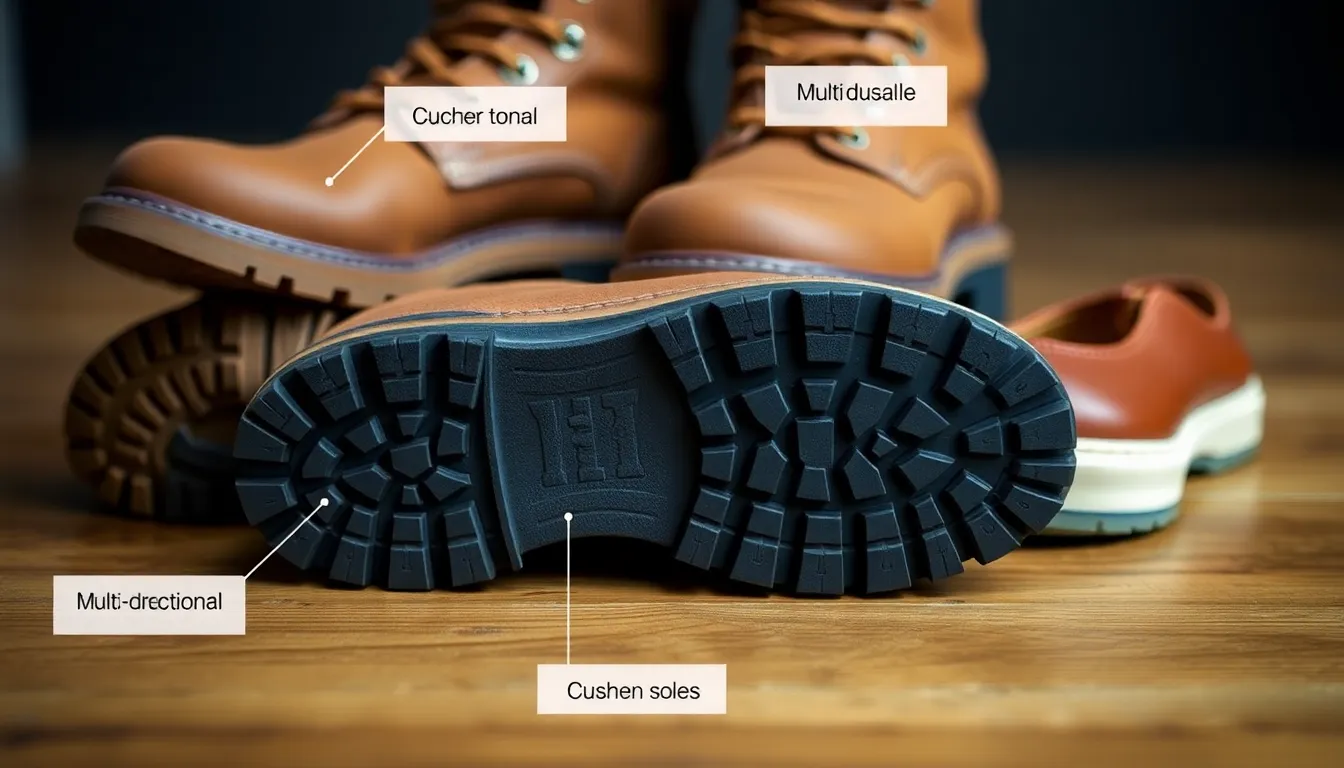
Understanding the components of boot mechanics highlights their role in enhancing footwear performance. Each element contributes to overall quality and wearability.
Sole Design
Sole design impacts traction and stability. Rubber compounds offer superior grip, especially on slippery surfaces. Multi-directional treads ensure maximum contact with various terrains. Additionally, different sole constructions, like Vibram or polyurethane, provide a balance between flexibility and support. Comfort often increases with shock-absorbing layers, minimizing foot fatigue during prolonged use.
Upper Construction
Upper construction directly influences durability and style. Quality leathers resist wear and mold to foot contours over time. Synthetic materials, though lightweight, often excel in breathability. Reinforced stitching enhances structural integrity, while waterproof membranes keep feet dry in wet conditions. Versatile designs blend fashion with functionality to suit diverse environments.
Fit and Comfort
Fit and comfort are paramount for effective boot mechanics. Proper sizing accommodates foot shape, preventing blisters or discomfort. Adjustable features, like laces or buckles, allow for personalized snugness and support. Cushioned insoles provide additional comfort and promote foot health during extended wear. Well-designed boots facilitate natural movement, contributing to overall performance during activities.
Importance of Boot Mechanics
Boot mechanics play a crucial role in optimizing the experience of wearing footwear. By understanding these mechanics, individuals can enjoy both comfort and functionality.
Performance Enhancement
Performance enhancement stems from well-designed boot mechanics. Effective sole design incorporates rubber compounds, providing superior traction on various surfaces. Multi-directional treads optimize grip, allowing the wearer to navigate different terrains with ease. Additionally, high-quality materials contribute to flexibility, enabling natural foot movement during activities. Soles constructed with advanced cushioning technologies absorb shock effectively, reducing fatigue over extended periods. Craftsmanship in upper construction ensures durability while maintaining breathability, keeping feet comfortable in varying conditions. Attention to detail in support features can significantly impact overall performance, aligning with the wearer’s specific needs.
Injury Prevention
Injury prevention relies heavily on the right boot mechanics. Proper arch support actively helps maintain foot alignment, reducing strain on muscles and joints. Ankle support features stabilize the foot, minimizing the risk of sprains during physical activities. Customizable fit options provide adjustments that cater to individual foot shapes, enhancing comfort and reducing blisters. Quality materials minimize friction, contributing to long-lasting wear without causing discomfort. Inserting cushioned insoles can alleviate pressure points, further protecting against common injuries. Collectively, these aspects ensure that boots support the wearer’s movement, keeping feet healthy and injury-free.
Common Boot Mechanics Issues
Boot mechanics can encounter specific issues that affect comfort and functionality. Understanding these problems helps consumers make better footwear choices.
Misalignment
Misalignment often leads to discomfort and improper foot support. It occurs when boots don’t fit the natural contours of the foot. Over time, this can cause pain in the arches, heels, or ankles. Identifying the source of misalignment is crucial. Signs include discomfort during wear or unusual pressure in certain areas. Adjustments, like using orthotic insoles or selecting a different size, may solve the issue. Properly fitted boots enhance natural movement and prevent long-term damage.
Wear Patterns
Wear patterns reveal insights about boot performance and fit. Uneven sole wear on either side indicates potential alignment issues. Excessive wear on the toe area suggests improper sizing or gait mechanics. Tracking these patterns provides valuable information. Monitoring them regularly helps users address emerging problems proactively. Regularly inspecting boots for unusual wear can extend their lifespan. Addressing wear patterns ensures boots continue to provide the necessary support and comfort during wear.
Conclusion
Understanding boot mechanics is crucial for anyone looking to invest in quality footwear. By recognizing the importance of fit function and support, individuals can enhance their overall experience while wearing boots. The right combination of shape materials and construction methods not only ensures comfort but also promotes longevity and performance.
Awareness of common issues like misalignment and wear patterns empowers consumers to make informed choices. With the right knowledge about boot mechanics, it’s possible to enjoy stylish boots that provide the necessary support and comfort for any occasion. This understanding ultimately leads to healthier feet and a more satisfying footwear experience.