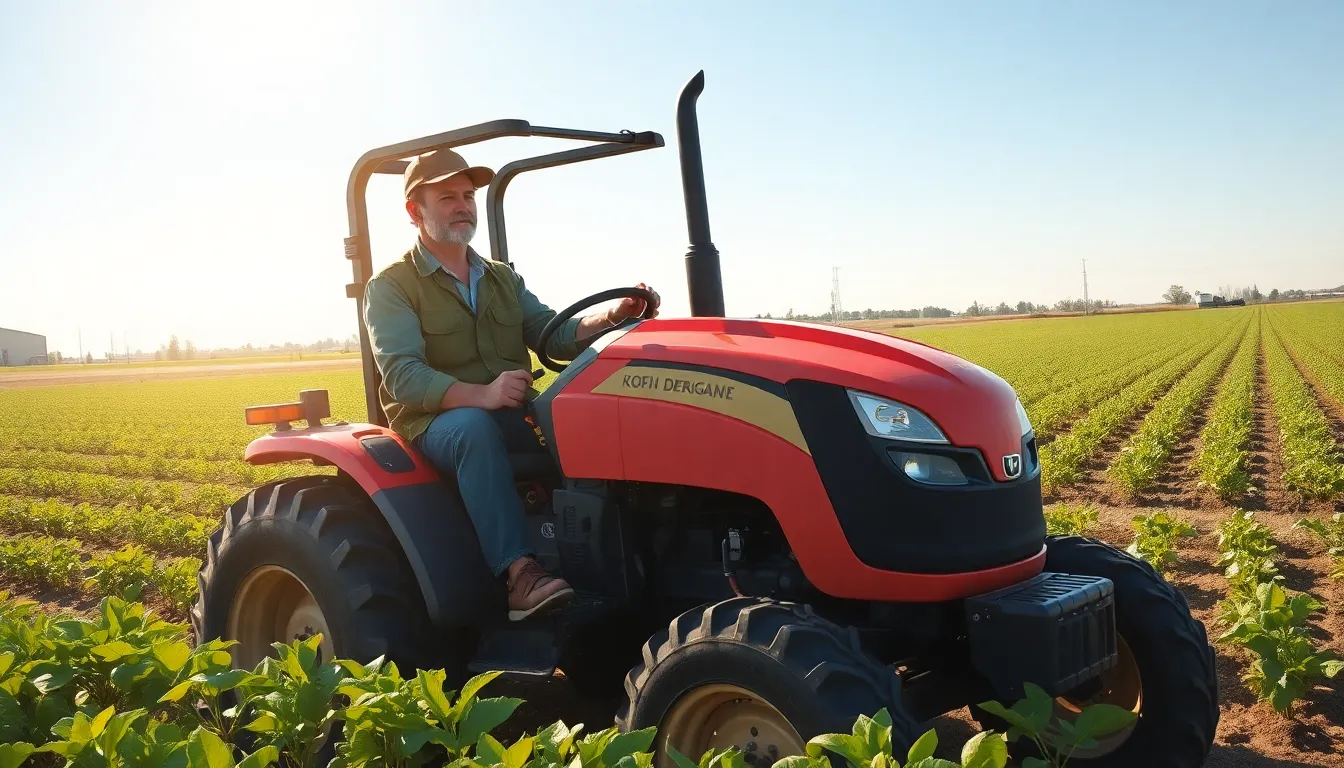
In a world where tractors can practically drive themselves and drones are the new farmhands, agriculture mechanics is the unsung hero of modern farming. It’s like the backstage crew of a rock concert—without them, the show just wouldn’t go on. From fixing malfunctioning equipment to optimizing performance, these mechanics keep the wheels of agriculture turning smoothly, ensuring that fresh produce makes it to dinner tables everywhere.
But let’s be honest: when was the last time you thought about the genius behind that shiny tractor? If you’ve ever tried to fix a leaky faucet, you know that mechanics are worth their weight in gold. So buckle up and get ready to dive into the world of agriculture mechanics. It’s a field where grease meets grit, and every repair is a step toward feeding the world—one nut and bolt at a time.
Agriculture mechanics encompass the tools and techniques used to maintain and repair farming equipment. These mechanics ensure that tractors, harvesters, and other machinery operate efficiently. Understanding the intricacies of agricultural machinery leads to improved productivity on farms. Knowledge of diesel engines, hydraulic systems, and electrical components is essential for effective troubleshooting.
In modern agriculture, machinery plays a critical role in large-scale food production. A reliable fleet of equipment minimizes downtime, allowing farmers to focus on growing crops. Specialized skills in fabrication and welding enhance the ability to customize machinery for specific farming needs. Mechanics often perform routine maintenance to prevent major issues and extend the life of equipment.
Educational programs focused on agriculture mechanics provide training in both practical skills and theoretical knowledge. After completing these programs, graduates can troubleshoot complex machinery, understanding the nuances of various systems. Certification from recognized institutions boosts career prospects in this essential field.
Job opportunities in agriculture mechanics are diverse, ranging from local repair shops to large agricultural operations. Many employers value hands-on experience, making internships a vital part of training. Farm equipment dealerships also offer roles that combine sales with mechanical expertise.
Networking within agricultural communities often opens doors to new career paths. Participation in trade shows and industry events allows mechanics to stay updated on the latest technologies. Continuous education ensures professionals are aware of evolving machinery, enhancing their relevance in a rapidly changing field.
Key Components of Agriculture Mechanics
Agriculture mechanics involves various essential elements that ensure the smooth operation of farming processes. Understanding equipment and tools plays a critical role in maximizing farm productivity.
Equipment and Machinery
Tractors serve as the backbone of most modern farms, facilitating various tasks from plowing to hauling. Harvesters efficiently gather crops, significantly reducing labor costs. Additionally, irrigation systems deliver water directly to fields, optimizing water usage. Understanding diesel engines enhances mechanics’ ability to troubleshoot common issues, while knowledge of hydraulic systems allows for efficient repairs of lifting and steering functions. Maintenance of electrical components ensures reliability, preventing costly breakdowns during peak seasons. With this comprehensive understanding, mechanics contribute to overall equipment efficiency, ultimately impacting crop yield.
Tools and Implements
Wrenches and sockets are primary tools, enabling mechanics to tighten or loosen bolts on machinery efficiently. Saws and grinders assist in fabricating parts to meet specific farming needs. Pliers help in gripping and twisting wires, which contributes to electrical repairs. Safety equipment, including gloves and goggles, is essential for protecting mechanics during repairs. Diagnostic tools aid in problem identification by measuring engine performance and system functionality. Each of these tools holds significance in ensuring machinery operates smoothly, allowing farmers to focus on production without interruption.
Importance of Agriculture Mechanics
Agriculture mechanics play a vital role in modern farming practices. Their contributions directly influence the efficiency and sustainability of agricultural operations.
Enhancing Efficiency
Agriculture mechanics significantly enhance farm efficiency. Mechanics regularly maintain and repair equipment like tractors and harvesters, ensuring machines operate at peak performance. Reduced equipment downtime leads to more productive work hours on the farm. By utilizing their expertise in diesel engines and hydraulic systems, they quickly troubleshoot problems. This timely intervention minimizes delays during critical planting and harvesting seasons. Mechanics often customize machinery for specific farm needs, optimizing performance further. An efficient system reduces wasted resources and strengthens the overall productivity of farms.
Sustainability in Agriculture
Sustainability relies heavily on skilled agriculture mechanics. Conservation practices are promoted through efficient machinery that minimizes waste. One focus is on developing equipment that uses less fuel and reduces emissions, contributing to a healthier environment. Mechanics also implement routine maintenance, which not only extends equipment lifespan but also preserves valuable resources. Preventative measures help in avoiding significant failures and the consequent waste involved in repairing or replacing equipment. By integrating sustainable techniques and tools, they support farmers in achieving their environmental goals.
Trends in Agriculture Mechanics
Agriculture mechanics embraces rapid changes driven by innovation. These trends shape how mechanics approach farming equipment and management.
Technological Advancements
Advanced technologies play a pivotal role in agriculture mechanics. Precision farming tools, such as GPS-guided tractors and drones for crop monitoring, enhance operational efficiency. Mechanics benefit from software innovations that facilitate diagnostics and repairs. Enhanced data analytics provide insights into machine performance, allowing for proactive maintenance decisions. Furthermore, the integration of IoT (Internet of Things) devices enables real-time monitoring of equipment health, minimizing unexpected breakdowns. With industry challenges increasing, these advancements help mechanics adapt quickly while promoting productivity.
Automation in Agriculture
Automation transforms the landscape of agriculture mechanics. Robotic systems streamline routine tasks, significantly reducing labor costs and time requirements. Mechanic teams often work with autonomous vehicles for planting and harvesting, enabling more efficient crop management. The shift toward fully automated systems encourages mechanics to stay updated on new control technologies and software. Consequently, knowledge in automation systems becomes critical for effective troubleshooting. As farmers adopt automated machinery, mechanics can ensure equipment remains reliable and optimally functional, fostering sustainable agricultural practices.
Challenges in Agriculture Mechanics
Agriculture mechanics face several challenges that impact operational efficiency and sustainability. Maintenance and repair processes demand timely attention to prevent equipment failure.
Maintenance and Repair
Frequent use of equipment like tractors and harvesters leads to wear and tear. Troubleshooting mechanical issues often requires specialized knowledge of hydraulic systems, electrical components, and diesel engines. Identifying the root causes of breakdowns can pose challenges, especially in the busy planting and harvesting seasons. Ensuring access to the right tools and parts is crucial for quick repairs. Additionally, effective maintenance schedules must be established to optimize machinery performance. Neglecting routine upkeep can result in costly downtime, threatening productivity on farms.
Education and Training
Educational programs focused on agriculture mechanics provide necessary skills and knowledge. Programs often integrate hands-on training with theoretical knowledge to prepare students for real-world challenges. Mechanics benefit from learning about today’s advanced technologies, including automation and precision farming. Industry certifications can enhance employability, making graduates more competitive in the job market. Trade schools and community colleges frequently offer relevant courses to address skill demands. Networking opportunities and internships further equip new mechanics with experience. Staying abreast of advances in technology and practices becomes essential for long-term success in the field.
Conclusion
Agriculture mechanics play an indispensable role in the success of modern farming. Their expertise ensures that machinery operates efficiently and reliably, ultimately supporting the global food supply. By embracing technological advancements and sustainable practices, these skilled professionals not only enhance productivity but also contribute to environmental goals.
As the agricultural landscape continues to evolve, the importance of ongoing education and hands-on training for mechanics cannot be overstated. Staying current with industry trends and innovations is crucial for maintaining competitiveness. Recognizing and valuing the contributions of agriculture mechanics will lead to a more robust and sustainable agricultural future.