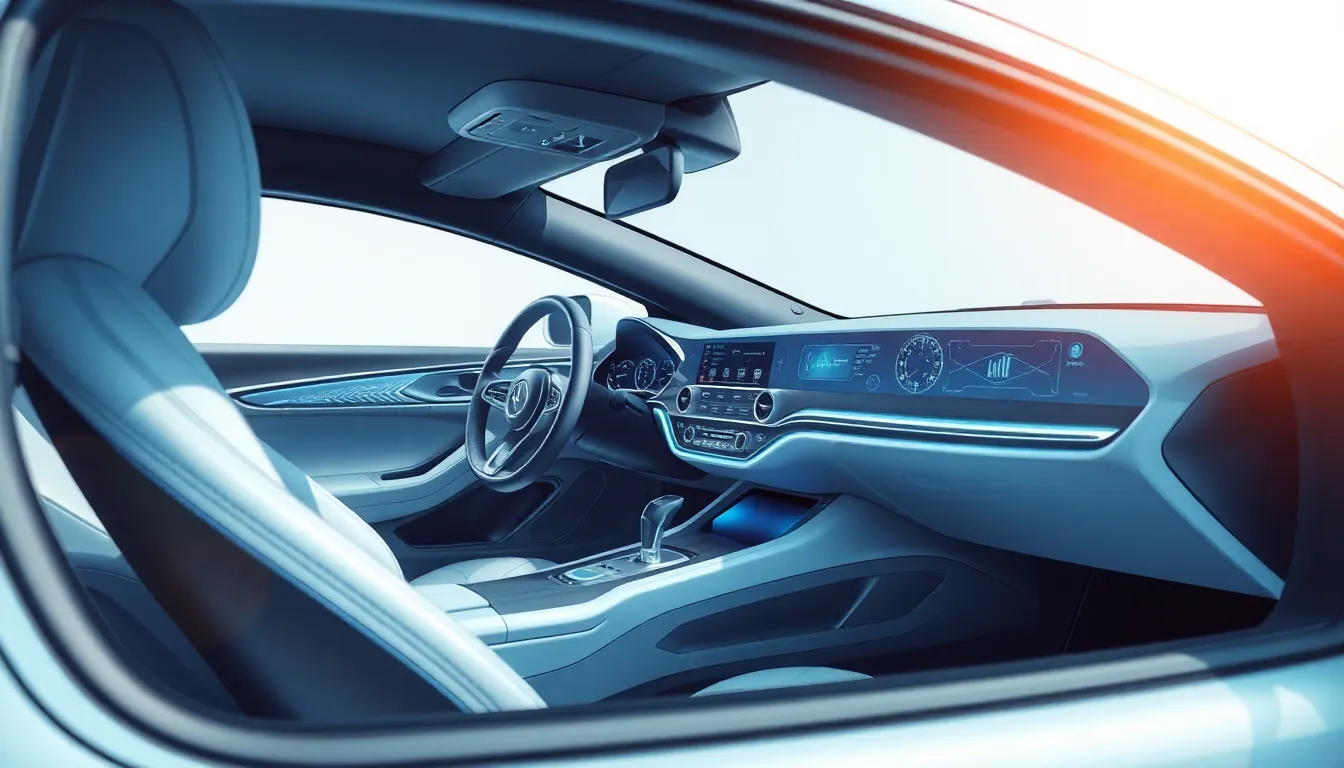
In a world where technology evolves faster than a caffeinated squirrel on a sugar rush, hi-tech transmission systems have emerged as the unsung heroes of modern engineering. They’re not just gears and wires; they’re the brains behind seamless driving experiences, turbocharging efficiency while keeping emissions in check. Imagine gliding down the highway, your vehicle shifting effortlessly as if it’s reading your mind.
Hi-tech transmission systems represent a significant advancement in automotive engineering. These systems utilize cutting-edge technology to optimize vehicle performance and enhance driving experiences. Many manufacturers now incorporate automatic transmissions equipped with smart algorithms. These algorithms adjust gears seamlessly based on real-time driving conditions.
Efficiency stands out as one of the primary advantages of hi-tech transmissions. Studies show that vehicles with advanced transmission systems can improve fuel economy by up to 15%. Emissions reductions also accompany these improvements, as optimized gear shifting leads to reduced fuel consumption.
Moreover, many hi-tech systems incorporate features like adaptive cruise control and engine-stop-start technology. Adaptive cruise control maintains a steady speed while adjusting to traffic conditions. Engine-stop-start technology turns off the engine when the vehicle is stationary, conserving fuel and reducing emissions.
Essentially, hi-tech transmissions enhance the driver’s comfort and connection to the vehicle. Smooth transitions between gears create a more intuitive drive that aligns with driver preferences. In addition, the integration of electronic components facilitates better diagnostics and maintenance alerts, ensuring long-term vehicle health.
As technology progresses, the continued evolution of hi-tech transmissions plays a vital role in shaping the future of the automotive industry. Investing in such innovations leads to safer, more efficient, and environmentally friendly vehicles.
Key Features of Hi Tech Transmission
Hi-tech transmission systems offer innovative features that enhance vehicle performance and driving experiences. These systems incorporate advanced technologies that respond effectively to changing driving conditions.
Advanced Control Systems
Adaptive control systems represent a key element of hi-tech transmissions. These systems use intelligent algorithms to monitor vehicle performance and adjust gear shifting automatically. As a result, drivers experience smoother transitions and more precise responsiveness. Manufacturers optimize these systems to analyze real-time data such as acceleration and braking. This analysis leads to improved performance under various driving conditions. Additionally, these systems contribute to enhanced safety by predicting potential hazards on the road. Comfort and control transform the driving experience significantly with adaptive measures integrated.
Improved Fuel Efficiency
Enhanced fuel efficiency defines one of the primary advantages of hi-tech transmissions. Studies show that these systems can achieve fuel economy improvements of up to 15 percent. Optimized gear shifting plays a crucial role in this enhancement. More efficient transitions help maintain the engine’s ideal operating range, reducing unnecessary fuel consumption. Many systems also incorporate engine-stop-start technology, which conserves fuel when the vehicle is stationary. Together, these innovations not only save money at the pump but also lower emissions. The overall environmental impact becomes more favorable as vehicles integrate these hi-tech solutions.
Types of Hi Tech Transmission
Hi-tech transmission systems include several advanced types that enhance vehicle performance. Each type offers unique benefits tailored to modern driving needs.
Continuously Variable Transmission (CVT)
Continuously Variable Transmission (CVT) delivers a smooth driving experience through its ability to seamlessly adjust gear ratios. By eliminating fixed gear steps, CVTs allow the engine to consistently operate at optimal RPMs. This efficiency results in improved fuel economy, often achieving enhancements of 10% to 20%. Many manufacturers incorporate CVTs into hybrid vehicles for better energy efficiency. Additionally, the lightweight design contributes to lower emissions, making it an environmentally friendly option. Drivers benefit from the quiet operation, which enhances overall comfort and reduces engine noise.
Dual-Clutch Transmission (DCT)
Dual-Clutch Transmission (DCT) offers rapid gear shifts, making it popular in performance vehicles. Utilizing two separate clutches for odd and even gears allows for instant engagement, resulting in quicker acceleration. This technology improves vehicle responsiveness, appealing to drivers seeking dynamic performance. Fuel efficiency also sees gains, with some DCT systems providing up to 10% better economy than traditional automatic transmissions. The functionality of DCT aids in smoother transitions, minimizing interruptions in power delivery. Enhanced control translates into improved driving experience, making DCT a favored choice in both sports cars and everyday vehicles.
Benefits of Hi Tech Transmission
Hi-tech transmission systems significantly enhance vehicle functionality and user experience. Various advantages contribute to this advancement in automotive engineering.
Enhanced Performance
Hi-tech transmissions deliver notable performance improvements. These systems adapt to driving conditions, ensuring optimal gear shifts. Automatic algorithms adjust gears based on real-time data, allowing for sharper acceleration and better handling. Studies show these configurations can boost fuel efficiency by as much as 15%. Additionally, reduced emissions result from more efficient power delivery. Performance-oriented drivers benefit from quicker gear changes, especially with dual-clutch options, which provide rapid responses while maintaining smooth operation. Many features also integrate with vehicle dynamics, enhancing overall responsiveness and safety on the road.
Smooth Driving Experience
Smooth driving experiences define hi-tech transmission systems. Seamless gear transitions minimize disruptions, allowing drivers to focus on the journey. Many modern vehicles utilize continuously variable transmissions to ensure an uninterrupted flow of power. This design leads to less engine strain and quieter rides. Adaptive cruise control contributes by maintaining speed effortlessly, adapting as traffic conditions change. With engine-stop-start technology, vehicles conserve fuel during idle periods, promoting efficiency without sacrificing comfort. The combination of these features creates an intuitive connection between the vehicle and the driver, enhancing overall satisfaction.
Challenges and Considerations
Hi-tech transmission systems present several challenges and considerations that manufacturers and consumers must assess.
Maintenance and Repair Costs
Maintenance and repair costs for hi-tech transmissions can be higher than traditional systems. Replacement parts often come with a premium price, especially for specialized electronic components. Skilled technicians may be necessary for repairs, increasing labor costs. Predictive maintenance tools can help mitigate expenses by identifying potential issues early. Regular software updates ensure optimal function, but these might incur additional fees. Notably, some warranty plans might not cover all repairs, leading to out-of-pocket expenses for owners.
Compatibility with Different Vehicle Types
Compatibility with different vehicle types poses another challenge for hi-tech transmissions. Not all vehicles are designed to accommodate advanced transmission systems. Certain modifications may be necessary for older models, which can complicate retrofitting. Electric and hybrid vehicles typically require specific transmission technologies, impacting availability. Manufacturers must consider market demand and vehicle compatibility during design phases. Ultimately, thorough assessments ensure proper integration of hi-tech systems across various vehicle platforms.
Conclusion
Hi-tech transmission systems are revolutionizing the automotive landscape. Their ability to enhance efficiency while reducing emissions is a game changer for modern vehicles. As these technologies continue to evolve they promise an even more intuitive and responsive driving experience.
The integration of advanced features like adaptive cruise control and engine-stop-start technology not only boosts fuel economy but also elevates driver comfort. While challenges such as maintenance costs and compatibility exist they are outweighed by the significant benefits these systems offer.
Ultimately the future of hi-tech transmissions looks promising. They are set to play a crucial role in the ongoing quest for safer and more environmentally friendly vehicles. As manufacturers adapt and innovate the automotive industry stands on the brink of a new era in performance and sustainability.