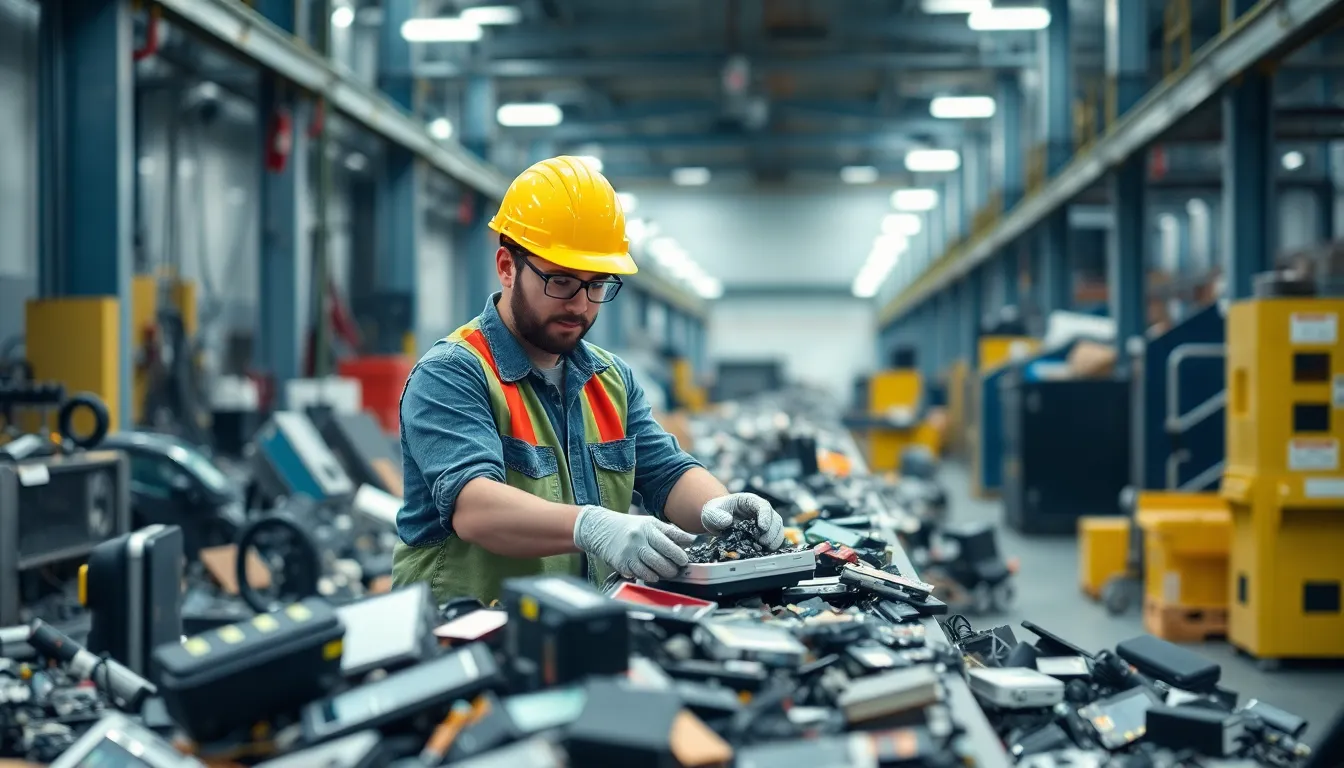
In a world where gadgets become obsolete faster than a cat video goes viral, hi-tech recycling is the unsung hero we never knew we needed. Imagine a place where your old smartphones and laptops don’t just gather dust but get a second chance at life, like a superhero donning a new cape. With technology evolving at lightning speed, it’s crucial to understand how to responsibly dispose of those outdated devices while saving the planet one circuit board at a time.
Hi-tech recycling refers to the process of reclaiming valuable materials from electronic devices that have reached the end of their life cycle. Electronic waste, such as smartphones, laptops, and televisions, contains precious metals, plastics, and other materials that can be reused or recycled. This approach reduces the environmental impact of e-waste disposal and contributes to sustainability efforts.
The process encompasses several stages, including collection, sorting, dismantling, and processing. Collection involves gathering discarded electronics from various sources, such as consumers, businesses, and recycling centers. Sorting ensures that materials are separated by type, allowing for efficient recycling.
Dismantling breaks down devices into their core components. This step allows recyclers to retrieve valuable materials, such as gold, silver, and copper, commonly found in circuit boards and connectors. Processing transforms these materials into raw forms suitable for manufacturing new products.
Hi-tech recycling not only addresses environmental concerns but also offers economic benefits. According to the Global e-Waste Monitor, approximately 53.6 million metric tons of e-waste was generated in 2019, with only 17.4% formally recycled. Increasing recycling rates can create jobs and support local economies.
Moreover, the trend toward circular economies necessitates improved recycling practices. Companies committed to sustainability prioritize hi-tech recycling to minimize waste and maximize resource efficiency. Adopting these responsible practices sets a strong precedent for future technological advancements, ensuring environmental stewardship in a rapidly evolving landscape.
Benefits of Hi Tech Recycling
Hi-tech recycling offers multiple benefits, significantly impacting both the environment and the economy.
Environmental Impact
Electronic waste contributes to pollution when improperly disposed of. Hi-tech recycling addresses this issue by reclaiming valuable resources, such as precious metals from gadgets. In 2019, about 53.6 million metric tons of e-waste emerged globally, leading to a pressing need for responsible management. Sorting, dismantling, and processing allow for the safe extraction of materials, reducing landfill waste. Recycled materials serve as substitutes for virgin resources, lowering carbon emissions linked to mining and extraction. Sustainable practices in hi-tech recycling not only minimize pollution but also conserve energy, ultimately preserving natural resources for future generations.
Economic Advantages
Increased recycling rates present notable economic benefits. Countries embracing hi-tech recycling create job opportunities across various sectors, from collection to processing. The recovery of reusable materials fosters local economies, stimulating demand in secondary markets. More businesses are prioritizing electronic waste recycling, symbolizing a shift towards circular economies. Implementing these practices leads to innovative technologies and efficient resource use, driving economic growth. As industries move toward sustainability, the economic advantages of hi-tech recycling continue to expand, reinforcing its vital role in modern society.
Challenges in Hi Tech Recycling
Hi-tech recycling faces significant challenges that hinder its effectiveness and widespread adoption. Understanding these obstacles helps drive better solutions for the electronic waste crisis.
Technological Limitations
Technological limitations often impede the efficiency of hi-tech recycling. Specific recycling processes require advanced technologies that may not be universally accessible. The complexity of dismantling electronic devices, combined with the presence of hazardous materials, complicates recycling efforts. Efficient separation of valuable components from toxic materials requires specialized equipment and techniques. Many recycling facilities lack these resources, resulting in lower recovery rates. Innovations in technology could enhance the capability to reclaim materials like precious metals and rare earth elements. Addressing these limitations remains crucial for increasing the effectiveness of hi-tech recycling initiatives.
Regulatory Issues
Regulatory issues significantly impact the hi-tech recycling landscape. Variations in laws across jurisdictions create confusion for manufacturers and recyclers. Some regions have stringent regulations, while others lack adequate legislation to manage electronic waste effectively. Compliance with regulations often incurs additional costs for recycling facilities, deterring investment in proper e-waste processing. The absence of clear guidelines can lead to improper disposal practices, contributing to environmental hazards. Harmonized regulations could streamline operations and improve recycling rates across the industry. Addressing these regulatory challenges is essential for fostering a more sustainable approach to electronic waste management.
Innovations in Hi Tech Recycling
Innovations are transforming hi-tech recycling into a more efficient and effective process. New technology plays a key role in enhancing the retrieval of valuable materials from electronic waste.
Emerging Technologies
Artificial intelligence and robotics are significant drivers of innovation in the recycling sector. AI systems analyze waste composition and optimize sorting tasks, increasing efficiency and accuracy. Robotic arms perform precise disassembly, reducing labor costs and improving safety. Furthermore, advanced sensor technologies enhance the detection of valuable components, leading to higher recovery rates. Hybrid processing facilities integrate multiple technologies for streamlined operations. These emerging technologies not only boost productivity but also contribute to environmental sustainability by maximizing resource recovery.
Case Studies
Several companies lead the way in hi-tech recycling innovation. For instance, Dell’s closed-loop recycling initiative recycles old computers into new products, exemplifying circular economy principles. Similarly, Apple has implemented a robot named Daisy that can disassemble up to 200 iPhones per hour, efficiently reclaiming materials for reuse. In another example, Umicore, a global leader in materials technology, specializes in recycling precious metals from electronics, supporting sustainable practices in the industry. These case studies highlight effective strategies that other companies can replicate to promote sustainability and resource efficiency.
Conclusion
Hi-tech recycling stands at the forefront of addressing the challenges posed by electronic waste. By reclaiming valuable materials and reducing environmental impact, it plays a crucial role in fostering sustainability. The economic benefits further underscore its importance as it creates jobs and stimulates local economies.
Emerging technologies like AI and robotics are revolutionizing recycling processes, making them more efficient and effective. As industries increasingly adopt these innovative practices, the potential for improvement in recycling rates becomes evident. The commitment to responsible e-waste management not only conserves resources but also paves the way for a more sustainable future. Embracing hi-tech recycling is essential for both environmental health and economic growth.