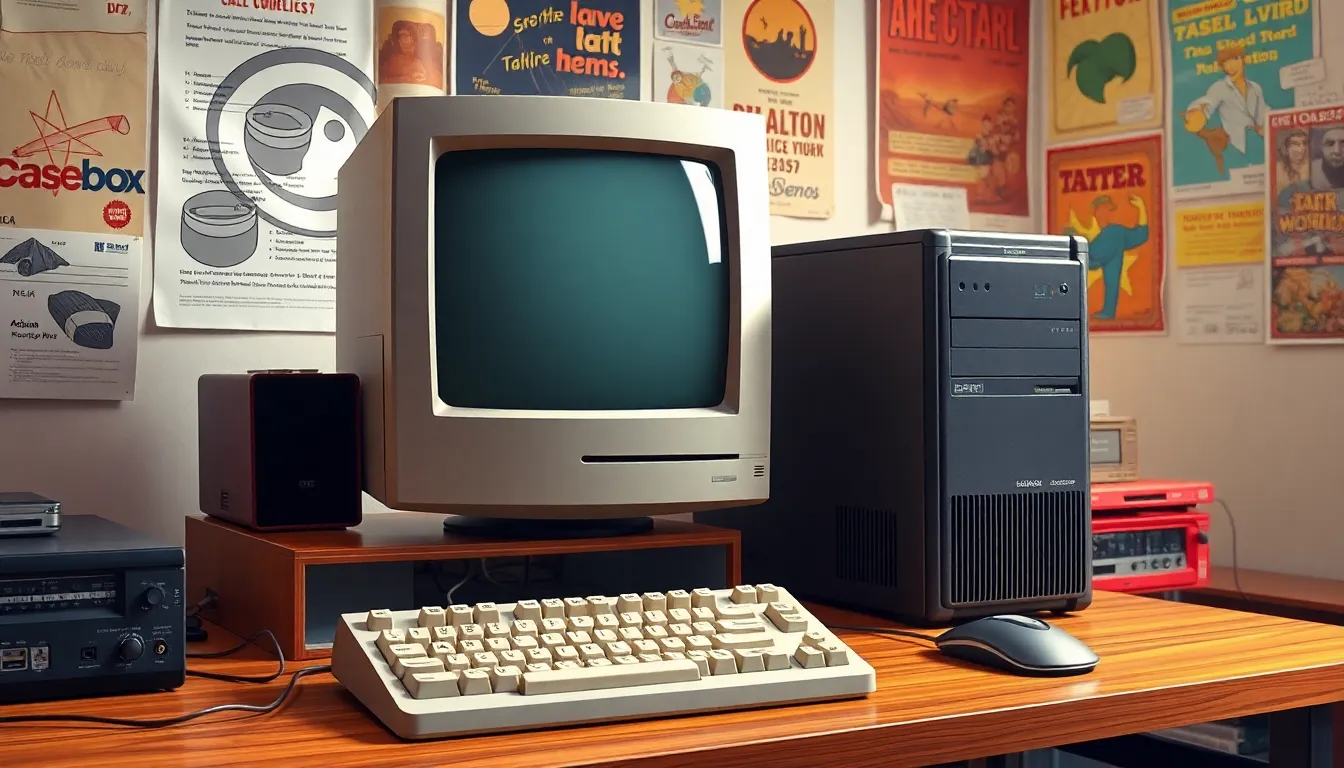
In a world where sleek laptops and tablets rule the roost, old desktop computers stand as nostalgic giants, reminding us of a simpler time. Remember the days of clunky monitors and the satisfying click of a mechanical keyboard? These relics may seem outdated, but they pack a punch of charm and character that modern devices often lack.
Dust off that ancient beast and you might just uncover a treasure trove of memories—and maybe even a few forgotten games. Beyond their quirky aesthetics, old desktops can be surprisingly useful, serving as budget-friendly options for basic tasks or even quirky DIY projects. So why not give that dusty machine a second chance? It might just surprise you with its retro appeal and reliability.
Old desktop computers evoke nostalgia for many who remember their unique characteristics. These machines often feature CRT monitors, heavy tower cases, and mechanical keyboards, making them distinct from modern devices. Popular models from the 1990s and early 2000s, like the Dell Dimension and the Apple iMac G3, highlight innovation in design and performance during that era.
Performance varies across different models, with many equipped to handle basic tasks like word processing and web browsing. Notably, old desktops can be repurposed for retro gaming, allowing users to relive classic titles. Collectors often seek out specific styles or brands, contributing to a vibrant secondhand market.
Cost-effective solutions exist for those needing a basic computer for light tasks. Buying refurbished machines or older models can save money while providing essential functionality. Using old desktops often encourages sustainable practices by reducing electronic waste and promoting recycling.
Community workshops and online forums thrive around old desktop computers, where enthusiasts share restoration techniques and modifications. DIY projects can range from simple hardware upgrades to transforming old systems into retro gaming consoles or home servers. Such creativity showcases the versatility of these vintage machines.
Old desktop computers remain relevant in today’s tech landscape, despite advancements in technology. Their unique charm, affordability, and potential for creative use continue to attract a dedicated following. By recognizing the value of these relics, users can appreciate how they serve as gateways to past computing experiences.
Key Features of Old Desktop Computers
Old desktop computers possess distinct features, reflecting their unique place in technology history. Key elements include hardware components and software compatibility that define their utility today.
Hardware Components
Old desktop computers often feature bulky CRT monitors that deliver rich colors and strong contrast. Heavy tower cases house essential components such as older Intel or AMD processors, hard drives ranging from 20GB to 160GB, and RAM typically between 256MB and 1GB. Mechanical keyboards and classic mice provide tactile feedback and durability. Legacy ports, like USB 1.0 or 2.0, allow connectivity with peripherals and devices, while integrated graphics cards handle basic visual tasks. Many enthusiasts appreciate the modular design, making upgrades possible, though limitations exist due to older architecture.
Software Compatibility
Software compatibility represents both a strength and a limitation for old desktop computers. Many of these machines can run lightweight operating systems, including older versions of Windows or distributions like Linux. Compatibility with vintage applications and games remains high, appealing to retro gamers and software historians alike. However, challenges arise when using modern software, as newer applications may not support outdated hardware configurations. They can indeed perform basic tasks like web browsing and document editing, but performance can vary based on specific hardware. These factors highlight the diverse usability of old desktops despite their age.
Popular Models of Old Desktop Computers
Old desktop computers evoke nostalgia, bringing to mind several iconic models. Not only do these machines represent technological milestones, but they also remain valuable for various uses today.
IBM PC
Introduced in 1981, the IBM PC set the standard for personal computing. Its modular design allowed users to customize components easily. Many utilized the Intel 8088 processor, which provided a solid performance for its time. Expansion slots for additional hardware made upgrades seamless. Numerous variants followed, including the IBM PC XT and PC AT, attracting both consumers and businesses. The impact of the IBM PC on the industry established a foundation for future innovations, ensuring its place in computing history.
Apple Macintosh
Launched in 1984, the Apple Macintosh revolutionized personal computing with its graphical user interface. Users embraced the all-in-one design, featuring a built-in monitor and compact case. The Macintosh 128K equipped users with a 9-inch screen and a Motorola 68000 processor, delivering a unique user experience. Apple’s focus on design and functionality attracted creative professionals, fostering a loyal user base. Subsequent models, such as the Macintosh Plus, expanded capabilities with increased memory and storage options. The Macintosh line established a legacy of innovation, influencing modern computing significantly.
Collecting Old Desktop Computers
Collecting old desktop computers offers a unique blend of nostalgia and hands-on experience. Many individuals appreciate these machines for their history and the stories they tell.
Why Collect?
Enthusiasts find value in collecting because of the rarity of certain models. Factors like unique designs and limited production runs make specific computers highly sought after. Collectors enjoy the nostalgia associated with brands like IBM and Apple, which evoke memories of the early days of personal computing. Some individuals see opportunities for restoration, transforming old machines into functional art pieces. Additionally, keyboard enthusiasts often seek mechanical keyboards from older systems due to their tactile experience. These aspects create a vibrant community that thrives on shared interests and restoration projects.
Care and Maintenance
Proper care ensures these vintage machines remain functional and aesthetically pleasing. Dusting the exterior helps prevent overheating and maintains the design. Regular cleaning of internal components, such as fans and circuit boards, prevents dust buildup, which can impair performance. Using specific cleaning solutions suitable for older electronics protects delicate surfaces. It’s essential to store older desktops in a climate-controlled area, avoiding humidity that may damage components. Upgrading certain parts can enhance functionality while honoring the machine’s vintage appeal. Community forums offer valuable advice on maintaining and troubleshooting, fostering a collaborative spirit among collectors.
Modern Uses for Old Desktop Computers
Old desktop computers can serve various modern purposes beyond nostalgia. Many users repurpose these machines for simple tasks like browsing the web or sending emails. Educational institutions utilize old desktops to create computer labs for students, offering hands-on experience without significant investment.
Artists and developers value old desktops for their potential in running lightweight applications. Casual gaming enthusiasts often enjoy retro gaming with these machines, reliving classic titles that require minimal hardware resources. Some users transform old desktops into dedicated media centers, capable of streaming content from services like Netflix or YouTube.
In addition, hobbyists engage in DIY projects to upgrade and enhance the functionality of vintage computers. Users can turn outdated models into web servers, file storage solutions, or digital signage displays. Organizations focusing on sustainability appreciate old desktops as green computing alternatives, reducing e-waste while promoting recycling.
Communities of enthusiasts often share techniques for refurbishing old computers, ensuring that they remain operational. Participation in these communities fosters knowledge exchange, leading to innovative uses for these machines. Connectivity with others who share similar interests enhances the experience of working with vintage technology.
Lastly, donating old desktops to charities or local organizations provides valuable resources for those in need. Volunteers frequently refurbish these computers, making them accessible to underserved communities. Employing old desktops in such a manner not only benefits individuals but also contributes to the larger goal of bridging the digital divide.
Conclusion
Old desktop computers hold a unique place in the hearts of many. Their nostalgic charm and reliable performance make them more than just relics of the past. With a vibrant community of enthusiasts and collectors, these vintage machines continue to inspire creativity and innovation.
Repurposing old desktops for modern tasks or DIY projects not only makes financial sense but also promotes sustainability. By embracing the retro appeal of these computers, individuals can enjoy a hands-on experience while contributing to a greener future. Whether for casual use or as a canvas for artistic expression, old desktops remain relevant in today’s tech landscape.